

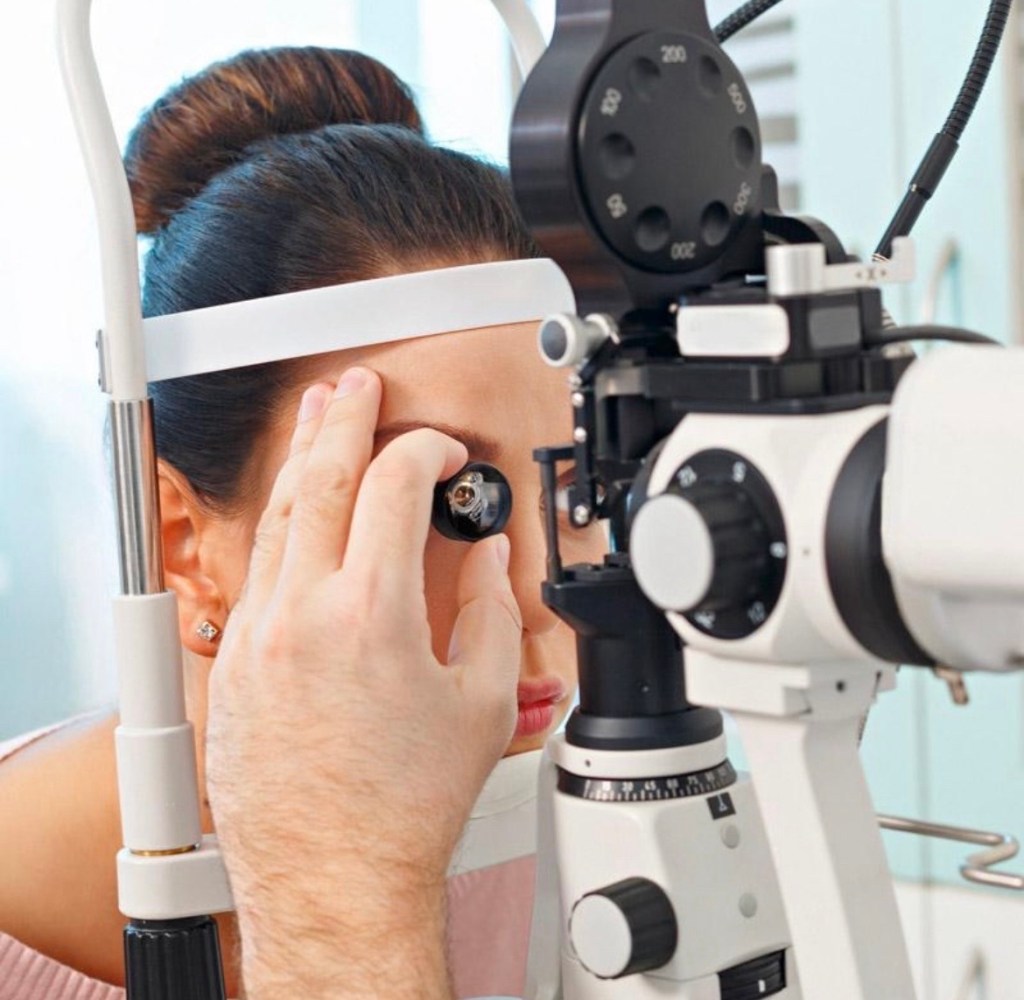
A gonioscope is a specialized ophthalmic instrument used to examine the anterior chamber angle of the eye, the area between the cornea and the iris where fluid (aqueous humor) drains out. This part of the eye cannot be seen directly with a regular examination because of the way light reflects inside the cornea.
The gonioscope is usually a small lens (or set of mirrors) that is gently placed on the surface of the eye (after applying anesthetic drops). It is often used together with a slit lamp microscope to provide a clear and magnified view of the drainage angle.
There are different types of gonioscopes, including:
• Direct gonioscopes (used mainly in surgery)
• Indirect gonioscopes (commonly used in clinics, e.g., 3-mirror or 4-mirror lenses)
Uses
The gonioscope plays an important role in diagnosing and managing several eye conditions:
1. Diagnosis of Glaucoma
It is mainly used to assess the type of Glaucoma, by determining whether the drainage angle is:
• Open (open-angle glaucoma)
• Narrow or closed (angle-closure glaucoma)
2. Evaluation of Drainage Angle
It helps eye specialists examine:
• The structure of the angle
• Any blockage or abnormality affecting fluid drainage
3. Detection of Eye Abnormalities
The gonioscope can reveal:
• Scar tissue
• Tumors
• Congenital defects
• Foreign bodies in the angle
4. Assessment After Eye Injury
Used to check for damage to the angle after trauma, such as angle recession.
5. Monitoring Eye Conditions
Doctors use it to follow up on patients with glaucoma or those at risk, to monitor changes over time.
A gonioscope is a vital diagnostic tool in eye care, especially for detecting and managing glaucoma. By allowing a clear view of the eye’s drainage system, it helps prevent vision loss through early diagnosis and proper treatment.


Leave a Reply