

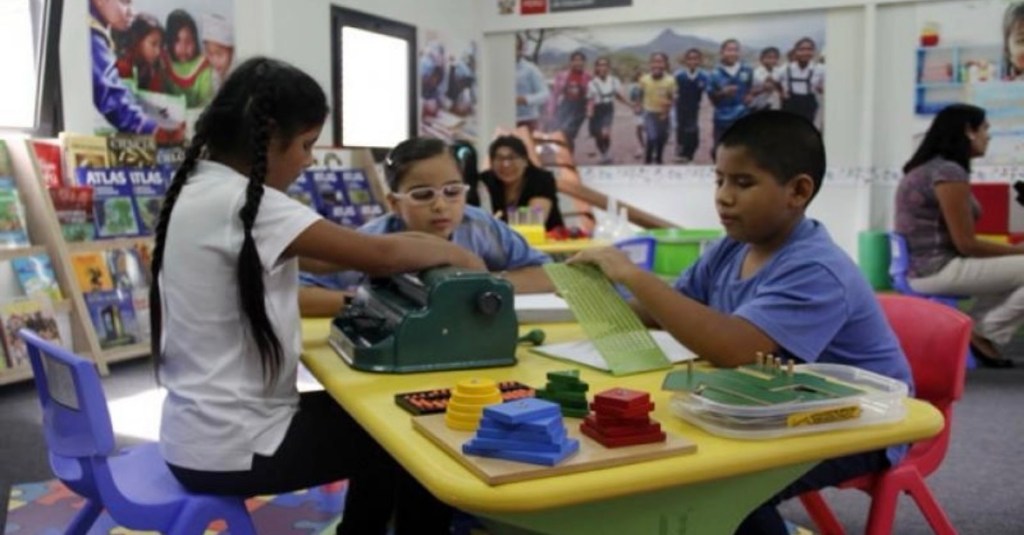
Inclusive education ensures that blind and visually impaired children learn alongside their peers in a supportive and accessible environment. It is based on the principle that every child has the right to quality education, regardless of physical ability. By removing barriers and providing the right support, inclusive education allows visually impaired children to participate fully, learn effectively, and develop confidence.
What is Inclusive Education?
Inclusive education is a system where children with disabilities are integrated into regular schools, with necessary adjustments made to meet their learning needs. This includes adapting teaching methods, materials, and the classroom environment to ensure equal participation.
Importance of Inclusive Education
1. Equal Opportunities
Inclusive education promotes fair access to education, ensuring that visually impaired children are not excluded from learning.
2. Improved Academic Outcomes
With appropriate support such as Braille materials and assistive technology, students can perform well academically.
3. Social Integration
Learning in the same environment as other children helps develop social skills, friendships, and confidence.
4. Reduces Stigma and Discrimination
Inclusive settings promote understanding and acceptance, reducing negative attitudes toward disability.
Key Components of Inclusive Education
1. Accessible Learning Materials
• Braille books
• Audio materials
• Large print texts
2. Assistive Technology
• Screen readers
• Talking devices
• Educational apps for visually impaired learners
3. Trained Teachers
Teachers should be equipped with skills to:
• Support diverse learning needs
• Use inclusive teaching methods
• Communicate effectively with visually impaired students
4. Support Services
• Orientation and mobility training
• Counseling services
• Peer support systems
Challenges of Inclusive Education
• Lack of trained teachers
• Limited access to assistive devices
• Inadequate infrastructure
• Social stigma and lack of awareness
Solutions and Recommendations
• Government and NGO support for inclusive policies
• Teacher training programs
• Provision of assistive learning tools
• Community awareness campaigns
Inclusive education is essential for empowering blind and visually impaired children. It not only improves academic achievement but also fosters independence, confidence, and social inclusion.
Creating inclusive classrooms is a step toward building a society where every child has the opportunity to learn, grow, and succeed.


Leave a Reply