

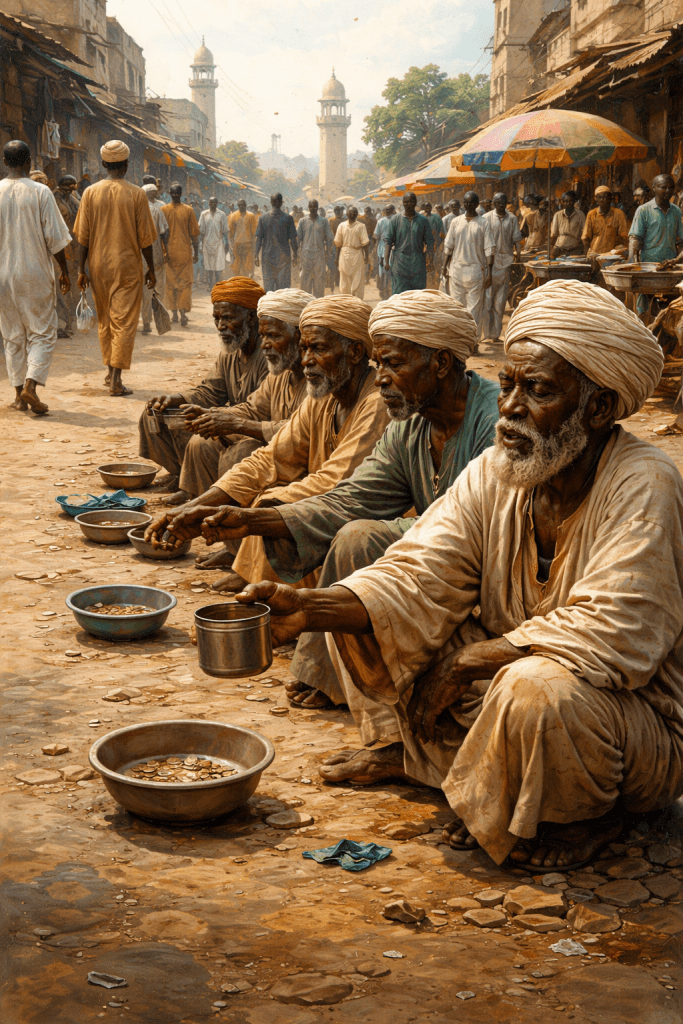
Understanding the High Prevalence of Blindness in Northern Nigeria
Blindness remains a significant public health concern in Northern Nigeria, where rates are higher than in many other regions of the country. This widespread challenge is driven by a combination of preventable medical conditions, socio-economic factors, and environmental circumstances. Understanding these causes is crucial for effective interventions and advocacy.
Nutritional Deficiencies
One of the leading causes of blindness in the region is Vitamin A deficiency, particularly among children. Poor dietary diversity and food insecurity leave many children vulnerable to xerophthalmia, a condition that can permanently damage the eyes if untreated. Addressing malnutrition through supplementation and community nutrition programs is a vital step in preventing childhood blindness.
Infectious Diseases
Several eye infections contribute to vision loss in Northern Nigeria. Trachoma, caused by poor sanitation and lack of access to clean water, can lead to irreversible blindness if left untreated. Onchocerciasis, also known as river blindness, is transmitted by blackflies and continues to affect rural communities near rivers. Preventive measures, including mass drug administration and improved hygiene practices, are essential to combating these diseases.
Limited Access to Eye Care
Access to quality eye care remains a major barrier. Many communities in Northern Nigeria have few ophthalmologists or well-equipped clinics. Cataracts, which are surgically treatable, often go unaddressed due to high costs and limited outreach services. Traditional medicine is frequently relied upon, leading to delayed or inadequate treatment. Expanding access to affordable eye care is crucial to reducing blindness in these communities.
Cultural and Socioeconomic Barriers
Socio-cultural factors also play a role. Women and girls often face more limited access to healthcare, increasing their risk of preventable blindness. Low awareness of eye health and preventive measures further exacerbates the problem. Education campaigns and community engagement are essential tools for overcoming these barriers.
Environmental Challenges
Northern Nigeria’s arid and dusty climate contributes to eye conditions such as trachoma, while unsafe water sources perpetuate the spread of infections. Environmental interventions, including improved sanitation and access to clean water, are key components in the fight against blindness.
Preventable Childhood Conditions
Congenital eye disorders and complications from measles continue to impact children, particularly where early screening and vaccination programs are inadequate. Strengthening maternal and child health services can significantly reduce these preventable cases.
The prevalence of blindness in Northern Nigeria is a multifaceted challenge, rooted largely in preventable causes. Through a combination of nutrition programs, improved access to eye care, community education, and disease prevention strategies, much of this blindness can be avoided. Collective action from organizations, governments, and communities is essential to ensure that every individual has the opportunity to enjoy the gift of sight


Leave a Reply