
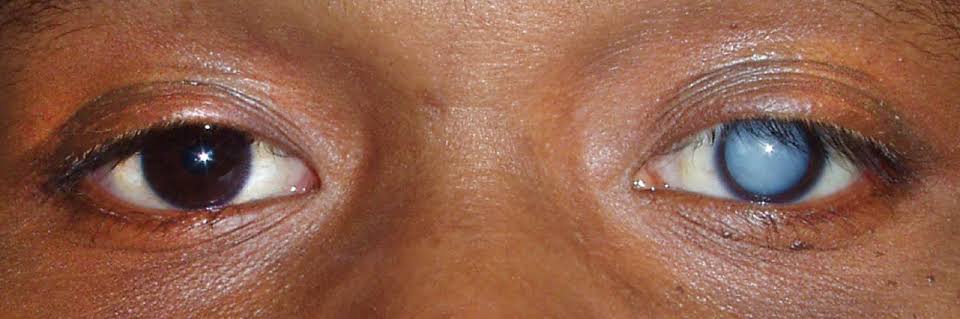
A cataract is a common eye condition in which the natural lens of the eye becomes cloudy or opaque, leading to blurred vision. It is one of the leading causes of vision impairment and blindness, especially among older adults. The good news is that cataract is treatable and often reversible through surgery.
Causes of Cataract
Cataracts develop when proteins in the eye lens break down and clump together, forming cloudy areas. Common causes include:
Aging – the most common cause
Exposure to ultraviolet (UV) rays from sunlight
Diabetes and other metabolic diseases
Eye injuries or trauma
Long-term use of steroid medications
Congenital factors (present at birth)
Symptoms of Cataract
Cataracts usually develop slowly and painlessly. Symptoms include:
• Blurred or cloudy vision
• Difficulty seeing at night
• Sensitivity to bright light and glare
• Seeing halos around lights
• Faded or yellowish colors
• Frequent changes in eyeglass prescription
• Double vision in one eye (in some cases)
How Cataract Affects Vision
As the lens becomes more cloudy, it blocks light from passing clearly to the retina. This results in:
• Reduced sharpness of vision
• Difficulty reading and recognizing faces
• Problems with driving, especially at night
• In severe cases, complete vision loss
Treatment of Cataract
The only effective treatment for cataract is surgery.
Cataract Surgery
• The cloudy natural lens is removed
• It is replaced with an artificial intraocular lens (IOL)
• The procedure is safe, quick, and highly successful
• Most patients regain clear vision shortly after surgery
Prevention of Cataract
While age-related cataract cannot be fully prevented, the risk can be reduced by:
• Wearing sunglasses that block UV rays
• Eating foods rich in vitamins (fruits and vegetables)
• Managing conditions like diabetes
• Avoiding smoking and excessive alcohol use
• Having regular eye check-ups
Cataract is a common but treatable cause of blindness. With early detection and modern surgical treatment, most people can regain good vision and continue living active lives. Regular eye care and awareness are key to reducing cataract-related blindness in society.
 SafeFuture Foundation for the blind
Leave a comment