

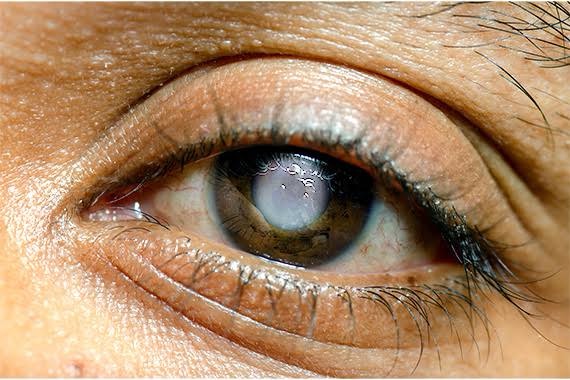
Glaucoma is a group of eye conditions that damage the optic nerve, the part of the eye responsible for transmitting visual information to the brain. It is one of the leading causes of irreversible blindness worldwide, particularly because it often develops slowly and without early warning signs.
What Causes Glaucoma?
Glaucoma is commonly associated with increased intraocular pressure (IOP), pressure inside the eye. This pressure can damage the optic nerve over time.
However, glaucoma can also occur even when eye pressure is normal. Other contributing factors include:
• Poor drainage of fluid within the eye
• Genetic predisposition (family history)
• Aging
• Certain medical conditions like diabetes and hypertension
Types of Glaucoma
There are several types, but the most common include:
1. Open-Angle Glaucoma
• The most common type
• Develops slowly and painlessly
• Gradual loss of peripheral (side) vision
2. Angle-Closure Glaucoma
• Less common but more severe
• Occurs suddenly with symptoms like eye pain, headache, and blurred vision
• Requires immediate medical attention
3. Congenital Glaucoma
• Present at birth or in early childhood
• Caused by abnormal eye development
Signs and Symptoms
In many cases, especially early on, glaucoma shows no obvious symptoms. As the disease progresses, symptoms may include:
• Gradual loss of peripheral vision
• Tunnel vision in advanced stages
• Blurred vision
• Eye pain (in acute cases)
• Halos around lights
Risk Factors
People at higher risk include:
• Individuals over 40 years old
• Those with a family history of glaucoma
• People with diabetes or high blood pressure
• Individuals with previous eye injuries
• Long-term use of steroid medications
Diagnosis
Glaucoma is detected through regular eye examinations, which may include:
• Measurement of eye pressure (tonometry)
• Examination of the optic nerve
• Visual field (peripheral vision) test
• Imaging tests for detailed eye structure analysis
Treatment and Management
Although glaucoma cannot be cured, it can be controlled to prevent further vision loss. Treatment options include:
• Eye drops to reduce eye pressure
• Oral medications
• Laser treatment
• Surgery in advanced cases
Early detection and consistent treatment are key to preserving vision.
Prevention
While glaucoma cannot always be prevented, the risk can be reduced by:
Having regular eye check-ups
Managing health conditions like diabetes
Protecting the eyes from injury
Following prescribed treatments carefully
Glaucoma is often called the “silent thief of sight” because it can steal vision without noticeable symptoms. However, with early detection, proper treatment, and increased awareness, blindness from glaucoma can be significantly reduced.
Raising awareness and encouraging routine eye examinations are essential steps in protecting vision and improving eye health in our communities.


Leave a Reply